- English
- French
- German
- Portuguese
- Spanish
- Russian
- Japanese
- Korean
- Arabic
- Greek
- German
- Turkish
- Italian
- Danish
- Romanian
- Indonesian
- Czech
- Afrikaans
- Swedish
- Polish
- Basque
- Catalan
- Esperanto
- Hindi
- Lao
- Albanian
- Amharic
- Armenian
- Azerbaijani
- Belarusian
- Bengali
- Bosnian
- Bulgarian
- Cebuano
- Chichewa
- Corsican
- Croatian
- Dutch
- Estonian
- Filipino
- Finnish
- Frisian
- Galician
- Georgian
- Gujarati
- Haitian
- Hausa
- Hawaiian
- Hebrew
- Hmong
- Hungarian
- Icelandic
- Igbo
- Javanese
- Kannada
- Kazakh
- Khmer
- Kurdish
- Kyrgyz
- Latin
- Latvian
- Lithuanian
- Luxembou..
- Macedonian
- Malagasy
- Malay
- Malayalam
- Maltese
- Maori
- Marathi
- Mongolian
- Burmese
- Nepali
- Norwegian
- Pashto
- Persian
- Punjabi
- Serbian
- Sesotho
- Sinhala
- Slovak
- Slovenian
- Somali
- Samoan
- Scots Gaelic
- Shona
- Sindhi
- Sundanese
- Swahili
- Tajik
- Tamil
- Telugu
- Thai
- Ukrainian
- Urdu
- Uzbek
- Vietnamese
- Welsh
- Xhosa
- Yiddish
- Yoruba
- Zulu
Why Is Scutellaria Baicalensis Extract Referred to as the "Gold Standard" in Anti-Inflammatory Botanicals?
If you've been sourcing ingredients for anti-inflammatory, antimicrobial, or liver support formulations, you've likely encountered Scutellaria Baicalensis Extract. Known in traditional Chinese medicine as Huang Qin, this perennial herb from the Lamiaceae family has been used for over two millennia, with its applications first documented in Shennong's Herbal Classic around 200 CE . However, the conversation in modern nutraceutical and pharmaceutical labs has moved far beyond its traditional use for "heat-clearing" and "dampness-drying." What's driving intense formulator interest is its exceptionally well-characterized profile of bioactive flavonoids—primarily baicalin, baicalein, and wogonin—which have been extensively studied for their potent anti-inflammatory, antioxidant, and antiviral activities . For product developers, this isn't just another herbal extract; it's a clinically validated ingredient with documented mechanisms of action and a place in multiple pharmacopeias worldwide.
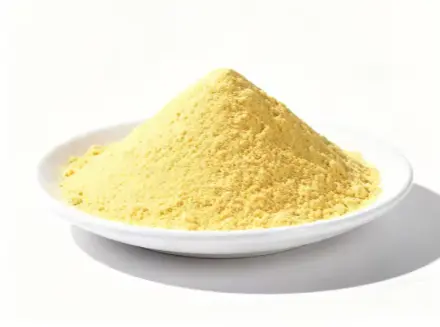
The journey to a high-quality Scutellaria Baicalensis Extract begins with the source material and the precision of its processing. The plant is widely cultivated in several regions of China, including Inner Mongolia, Sichuan, Shanxi, Shandong, Hebei, and Henan, as well as in other countries such as Japan, North Korea, Mongolia, and Russia . Research has shown that the best harvesting period for S. baicalensis is 2-3 years based on comprehensive evaluation of active ingredient content, annual yield increment, and land use efficiency . The primary bioactive compounds—baicalin, wogonoside, baicalein, and wogonin—are concentrated mainly in the root cortex, with significantly higher levels than in the stele . The root is also the main site of baicalin biosynthesis; silencing of the key biosynthetic enzyme gene SbFNSII-2 markedly reduces root baicalin content . After harvest, the roots must be processed carefully. Studies show that the contents of baicalin, wogonoside, and scutellarin in fresh roots significantly reduce as storage time increases, but the reduction with fresh-cutting is significantly lower than with fresh-crushing. For optimal preservation of active compounds, drying (D) and cutting-drying (C-D) treatments yield significantly higher contents of the four main flavonoids compared to other processing methods .
The extraction technology itself has advanced significantly. Traditional thermal reflux extraction, which requires prolonged high temperatures, can induce degradation of target compounds and consumes substantial energy . Emerging technologies such as ultrasonic-assisted extraction, microwave-assisted extraction, enzyme-assisted extraction, and deep eutectic solvent-based ultrahigh-pressure extraction offer significant advantages. For example, the yield obtained by deep eutectic solvent–ultrahigh-pressure extraction (116.8 mg/g) was 5.8% higher than that of reflux extraction using 70% ethanol, while total extraction time was reduced by 97.8% . These methods not only improve efficiency but also enhance environmental sustainability. A high-quality extract will be standardized to specific marker compounds, with modern purification schemes achieving highly pure individual compounds: baicalin and oroxylin A can reach ≥95% purity, while baicalein can achieve ≥97% purity .
This standardization unlocks a broad spectrum of clinically supported applications. The most established and researched use for Scutellaria Baicalensis Extract is in anti-inflammatory and antimicrobial formulations. Baicalin exhibits remarkable antibacterial activity in vitro, with documented mechanisms including disrupting the Escherichia coli membrane (inducing leakage of intracellular substances such as potassium ions, DNA, alkaline phosphatase, and β-galactosidase), downregulating quorum-sensing gene expression in Pseudomonas aeruginosa, and inhibiting host inflammatory pathways such as PI3K/Akt/NF-κB . It has demonstrated therapeutic efficacy against gastrointestinal infections, meningitis, pulmonary diseases, and sepsis in animal models . Studies on material from genuine growing regions (such as Hebei Chengde) have shown particularly strong inhibition against respiratory syncytial virus (RSV), with a specific flavonoid constituent ratio of 1:0.224:0.111:0.013 (baicalin:wogonoside:baicalein:wogonin) proving most effective .
Beyond its anti-infective properties, the extract has demonstrated significant hepatoprotective and antioxidant effects. Polysaccharides from Scutellaria baicalensis (SBPs) exhibit multiple biological activities, including antioxidant, anti-inflammatory, antiviral, antitumor, and immunoregulatory effects . In veterinary medicine, supplementation with Scutellaria baicalensis or its extracts can enhance immune function, reduce inflammation and oxidative stress, protect intestinal barrier integrity, regulate gut microbiota, and improve growth performance in pigs . The extract has also been recognized for its potential in treating COVID-19, with experimental studies suggesting it may exert anti-COVID-19 effects through multiple mechanisms, such as inhibiting viral binding to ACE2, regulating ACE2 activity, and alleviating oxidative stress . In cosmetic applications, the safety of Scutellaria baicalensis-derived ingredients has been evaluated, supporting their use in anti-aging and soothing formulations .
For procurement and quality assurance professionals, sourcing a premium Scutellaria Baicalensis Extract requires a rigorous, science-led checklist. First, demand comprehensive standardization data. The Certificate of Analysis (CoA) must specify the content of key flavonoids—particularly baicalin, baicalein, wogonoside, and wogonin—via validated HPLC methods . The ratio of these compounds can significantly impact biological activity, with specific ratios associated with optimal antiviral effects . Second, verify the botanical source and origin. The material should be derived from Scutellaria baicalensis Georgi, with preference given to genuine growing regions such as Hebei Chengde, which has demonstrated superior flavonoid constituent characteristics . Documentation on cultivation practices, harvest timing (2-3 years optimal), and post-harvest processing (drying or cutting-drying preferred) is essential for assessing quality . Third, insist on rigorous safety testing. This includes batch-specific assays for heavy metals, pesticides, and microbial contaminants. The plant's inclusion in the Chinese Pharmacopoeia (2020), European Pharmacopoeia (EP 9.0), and British Pharmacopoeia (BP 2018) reflects its recognized medicinal value and provides quality benchmarks . Fourth, evaluate extraction technology and bioavailability considerations. Advanced, gentle techniques like ultrasonic-assisted extraction or deep eutectic solvent-based methods are preferable for preserving delicate flavonoids . However, be aware that baicalin has poor water solubility and limited membrane permeability, resulting in extremely low absolute bioavailability, particularly following oral administration (2.2%) . Suppliers offering enhanced formulations—such as nanoformulations, phospholipid complexes, or self-microemulsifying drug delivery systems—may provide significant advantages. For example, a baicalin–phospholipid complex in a self-microemulsifying drug delivery system reached 220.37% of the bioavailability of free, unmodified baicalin .
The market trend for Scutellaria Baicalensis Extract is being propelled by its robust scientific validation and expanding applications. The global demand for its medicinal products is increasing due to its great medicinal values, particularly in light of recent findings on its efficacy against COVID-19 . The industry is moving toward higher and more specific flavonoid standardization, with purified extracts like PF-2405 containing high contents of baicalein, wogonin, and oroxylin A enabling dose-linear pharmacokinetic studies . The future will likely see more clinically studied, patented extracts with enhanced bioavailability, as well as continued research into the distinct in vivo mechanisms of Scutellaria polysaccharides compared with flavonoids, particularly in modulating innate and adaptive immune responses, regulating gut microbiota, and activating endogenous antioxidant signaling pathways . Its role in veterinary medicine and feed additives is also a rapidly growing segment, with studies demonstrating dose-dependent effects on immune function, inflammation reduction, and growth performance across different growth stages .

In summary, sourcing Scutellaria Baicalensis Extract is a strategic investment in a clinically validated, multi-functional botanical with applications spanning anti-inflammatory support, antimicrobial therapy, liver protection, and immune modulation. Its potential is backed by thousands of years of traditional use and a robust, growing body of modern scientific evidence. Success hinges on partnering with a supplier who provides transparent analytical data, verifies origin and processing methods, and understands the complex phytochemistry that underpins its benefits. For brands aiming to lead in the natural health and pharmaceutical spaces, this "golden herb" from the garden of Chinese medicinal plants offers a sophisticated and credible foundation for effective, research-backed products.
IF You Are Interested In The Products We Operate And Other Related Categories, Please Write To Us And Contact Us. At The Same Time, You Can Also Browse Our Website To Find The Products You Want. We Provide Customized Services And Look Forward To Establishing Cooperation With You.
Email:sales@greenherbbt.com