- English
- French
- German
- Portuguese
- Spanish
- Russian
- Japanese
- Korean
- Arabic
- Greek
- German
- Turkish
- Italian
- Danish
- Romanian
- Indonesian
- Czech
- Afrikaans
- Swedish
- Polish
- Basque
- Catalan
- Esperanto
- Hindi
- Lao
- Albanian
- Amharic
- Armenian
- Azerbaijani
- Belarusian
- Bengali
- Bosnian
- Bulgarian
- Cebuano
- Chichewa
- Corsican
- Croatian
- Dutch
- Estonian
- Filipino
- Finnish
- Frisian
- Galician
- Georgian
- Gujarati
- Haitian
- Hausa
- Hawaiian
- Hebrew
- Hmong
- Hungarian
- Icelandic
- Igbo
- Javanese
- Kannada
- Kazakh
- Khmer
- Kurdish
- Kyrgyz
- Latin
- Latvian
- Lithuanian
- Luxembou..
- Macedonian
- Malagasy
- Malay
- Malayalam
- Maltese
- Maori
- Marathi
- Mongolian
- Burmese
- Nepali
- Norwegian
- Pashto
- Persian
- Punjabi
- Serbian
- Sesotho
- Sinhala
- Slovak
- Slovenian
- Somali
- Samoan
- Scots Gaelic
- Shona
- Sindhi
- Sundanese
- Swahili
- Tajik
- Tamil
- Telugu
- Thai
- Ukrainian
- Urdu
- Uzbek
- Vietnamese
- Welsh
- Xhosa
- Yiddish
- Yoruba
- Zulu
Why is Pumpkin Seed Protein Powder Gaining Serious Formulator Attention?
Walk into any trade show focused on plant-based nutrition, and you'll see the usual suspects: pea, rice, soy. But lately, there's a growing buzz around a more distinctive option—one that isn't trying to be a bland, universal base but offers its own unique nutritional and functional profile. That's Pumpkin Seed Protein Powder. For developers, it’s becoming an answer to a specific set of questions: How do you add a clean, nutrient-dense protein to a product that also needs a compelling story? How do you avoid the common allergens and the sometimes-challenging flavors of other plant proteins? This ingredient is moving beyond niche health stores and into the labs of mainstream functional food and supplement brands precisely because it solves these problems with a combination of solid nutrition and a very friendly label.
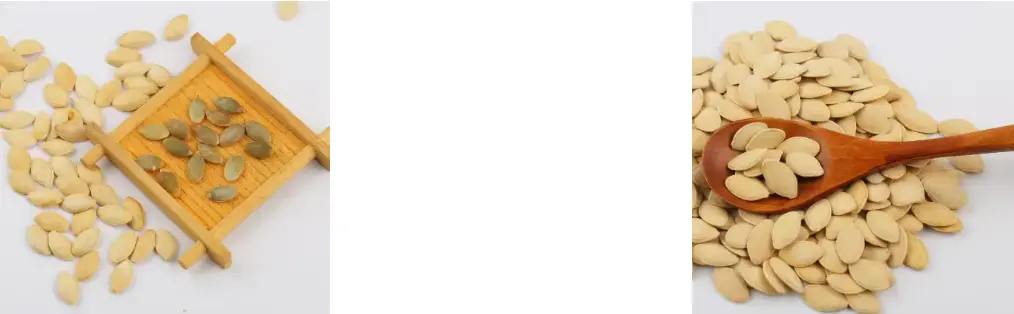
The story of this powder starts not with extraction, but with subtraction. High-quality pumpkin seed protein typically begins as a byproduct—the defatted cake left over after cold-pressing pumpkin seeds for their prized oil. This origin is a key part of its sustainability appeal. That cake is then carefully milled and, in advanced processes, further refined through sieving or air classification to boost protein concentration, resulting in a pumpkin seed protein isolate. The quality hinges entirely on the seeds and that first pressing. Seeds from specific varieties, like the Styrian pumpkin known for its hull-less seeds, yield a milder, greener powder. The use of gentle, low-temperature pressing is critical; excessive heat can denature the protein and create a bitter, roasted flavor that's impossible to mask. The best suppliers are transparent about their seed source and their oil-pressing methodology, as this is the true foundation of flavor and functionality.
So where does this distinct powder make the most sense? Its applications are about leveraging its whole-food halo and gentle flavor, not competing on sheer protein content alone.
- In blended plant-based protein powders, it's valued for its complementary amino acid profile, particularly its richness in arginine and glutamic acid, and its smooth, almost buttery mouthfeel that can soften the gritty notes of other proteins.
- For allergen-friendly products (free from soy, dairy, and gluten), it serves as a clean, safe base for nutritional shakes, bars, and baked goods targeting sensitive populations.
- In the booming functional snack and bakery category, it adds not just protein but also a desirable moistness and density to brownies, breads, and crackers, along with a natural green hue that signals "superfood" to consumers.
- Perhaps one of its fastest-growing applications is in premium pet nutrition, where its rich mineral content (like zinc and magnesium) and novel protein status are highly sought after for specialty diets.
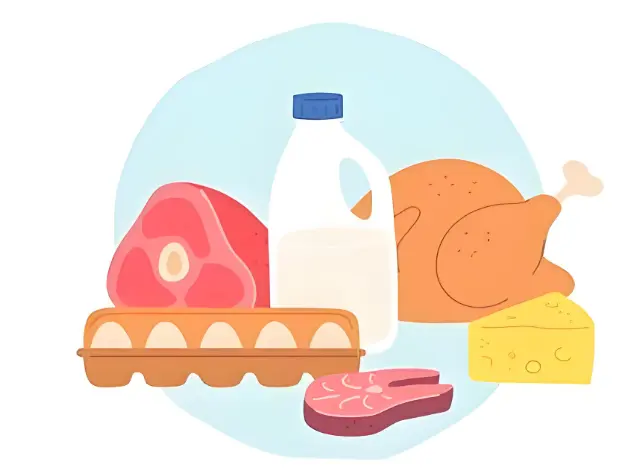
For procurement teams, evaluating a supplier requires looking past the protein percentage. A comprehensive checklist should include:
- Protein Content and Profile: Confirm the percentage via Nitrogen Combustion assay and ask for an amino acid profile chart to understand its nutritional strengths.
- Fat Content and Stability: A residual fat content of 10-15% is common and contributes to flavor, but it must be stable to prevent rancidity. Request peroxide value tests.
- Color and Flavor Consistency: The powder should be a consistent light to medium green with a neutral, slightly nutty taste. Batch-to-sample variation is a red flag.
- Heavy Metal and Pesticide Analysis: Given pumpkins' soil-cleaning abilities, stringent, batch-specific testing for cadmium, lead, and arsenic is non-negotiable.
- Certifications: Documentation for organic, non-GMO, and processing in a facility free from major cross-contaminants is essential for most brands today.
The trend propelling pumpkin seed protein powder forward is the demand for differentiated, functionally-rich plant proteins. The market is saturated with options that merely check the "plant-based" box. Consumers and brands alike are now seeking proteins that bring additional benefits—a unique mineral profile, a better texture, a cleaner backstory. This powder delivers on that. The future will see further refinement into highly soluble isolates for clear beverages and increased use in sustainable and upcycled product lines, where its origin from oilseed byproduct is a major marketing asset.

Ultimately, formulating with Pumpkin Seed Protein Powder is a choice for depth over volume. It may not have the highest protein percentage on the market, but it offers a combination of nutrition, functionality, and brand appeal that is hard to replicate. Success depends on partnering with a supplier who views it as a premium food ingredient, not just a commodity concentrate—one who can provide the technical data, consistent quality, and traceability needed to build a trustworthy product. For brands aiming to stand out in the crowded plant-protein space, it provides a distinctive tool to create something that feels both nourishing and genuinely novel.
IF You Are Interested In The Products We Operate And Other Related Categories, Please Write To Us And Contact Us. At The Same Time, You Can Also Browse Our Website To Find The Products You Want. We Provide Customized Services And Look Forward To Establishing Cooperation With You.
Email:sales@greenherbbt.com