- English
- French
- German
- Portuguese
- Spanish
- Russian
- Japanese
- Korean
- Arabic
- Greek
- German
- Turkish
- Italian
- Danish
- Romanian
- Indonesian
- Czech
- Afrikaans
- Swedish
- Polish
- Basque
- Catalan
- Esperanto
- Hindi
- Lao
- Albanian
- Amharic
- Armenian
- Azerbaijani
- Belarusian
- Bengali
- Bosnian
- Bulgarian
- Cebuano
- Chichewa
- Corsican
- Croatian
- Dutch
- Estonian
- Filipino
- Finnish
- Frisian
- Galician
- Georgian
- Gujarati
- Haitian
- Hausa
- Hawaiian
- Hebrew
- Hmong
- Hungarian
- Icelandic
- Igbo
- Javanese
- Kannada
- Kazakh
- Khmer
- Kurdish
- Kyrgyz
- Latin
- Latvian
- Lithuanian
- Luxembou..
- Macedonian
- Malagasy
- Malay
- Malayalam
- Maltese
- Maori
- Marathi
- Mongolian
- Burmese
- Nepali
- Norwegian
- Pashto
- Persian
- Punjabi
- Serbian
- Sesotho
- Sinhala
- Slovak
- Slovenian
- Somali
- Samoan
- Scots Gaelic
- Shona
- Sindhi
- Sundanese
- Swahili
- Tajik
- Tamil
- Telugu
- Thai
- Ukrainian
- Urdu
- Uzbek
- Vietnamese
- Welsh
- Xhosa
- Yiddish
- Yoruba
- Zulu
Why Is Mulberry Leaf Extract Powder Gaining Attention Beyond Traditional Blood Sugar Support?
If you've been sourcing ingredients for metabolic health, weight management, or even sleep support formulations, you've likely encountered the growing interest in Mulberry Leaf Extract Powder. Derived from the leaves of Morus alba L., this botanical has been used in traditional Chinese medicine for centuries, often consumed as tea or incorporated into functional foods . However, the conversation in modern nutraceutical labs has moved far beyond its folkloric roots. What's driving serious formulator attention is its exceptionally well-characterized profile of bioactive compounds—particularly alkaloids like 1-deoxynojirimycin (DNJ) , along with flavonoids such as rutin and astragalin, and phenolic acids like chlorogenic acid . For product developers, this isn't just another herbal extract; it's a clinically validated ingredient with documented mechanisms of action spanning glycemic control, sleep quality, and metabolic health.
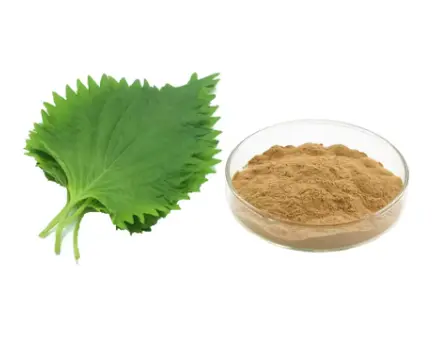
The journey to a high-quality Mulberry Leaf Extract begins with the source material and the precision of its processing. The plant is cultivated widely, but research shows that the content of active ingredients varies significantly based on harvest time and geographic origin, making quality control essential . The key bioactive marker, DNJ, is a polyhydroxypiperidine alkaloid that acts as a potent α-glucosidase inhibitor . However, DNJ is heat-sensitive and can degrade during processing. Advanced extraction methods—such as ultrasonic-assisted extraction optimized by response surface methodology—are employed to maximize the yield of chlorogenic acid, rutin, and astragalin while preserving their integrity . A high-quality extract will be standardized to specific marker compounds, with the Chinese Pharmacopoeia recognizing rutin as a quality marker, while the industry increasingly uses DNJ content as the key specification for hypoglycemic applications . A reputable supplier provides a Certificate of Analysis with HPLC data confirming these markers, often alongside comprehensive fingerprinting to ensure batch-to-batch consistency .
This standardization unlocks a broad spectrum of clinically supported applications. The most established use for Mulberry Leaf Extract Powder is in glycemic control and metabolic health formulations. Multiple randomized controlled trials have demonstrated its ability to significantly reduce postprandial blood glucose and insulin levels. One study found that a mulberry leaf extract supplement reduced the incremental area under the curve (iAUC) for blood glucose by 43-49% after a carbohydrate-rich meal or sucrose drink . A 2025 meta-analysis of 15 trials including 1202 participants confirmed that mulberry supplementation improves fasting glucose, HbA1c, insulin resistance (HOMA-IR), total cholesterol, LDL, and triglycerides, while also reducing inflammatory markers like TNF-α and IL-6 . The analysis noted that doses below 500 mg per day showed greater benefits . Beyond glycemic control, emerging research points to a novel application in sleep health. A 2025 randomized crossover study found that a blend containing 750 mg of mulberry leaf extract, combined with tryptophan and other nutrients, significantly reduced sleep onset latency by nearly 4 minutes, improved sleep quality, and enhanced next-morning mood and feelings of relaxation . The effect was mediated by lowering evening meal postprandial glucose and reducing nocturnal glucose variation . Additionally, its antioxidant, anti-inflammatory, and lipid-lowering properties support its use in cardiovascular wellness and weight management formulations . It's also increasingly incorporated into functional foods and beverages, such as teas and nutritional supplements, leveraging its traditional use and modern clinical backing .
For procurement and quality assurance professionals, sourcing a premium Mulberry Leaf Extract Powder requires a rigorous, science-led checklist. First, demand comprehensive standardization data. The Certificate of Analysis (CoA) must specify the content of key markers—particularly DNJ (often via HPLC after FMOC-Cl derivatization), rutin, and chlorogenic acid—with reference to established methods like the Chinese national standard GB/T 40642-2021 . Second, verify the botanical source and origin. The material should be derived from Morus alba L., and documentation on harvest time and geographic origin is essential, as these factors significantly impact phytochemical profiles . Third, insist on rigorous safety testing. Batch-specific assays for heavy metals, pesticides, and microbial contaminants are non-negotiable. Processing methods should avoid high temperatures that degrade rutin and other heat-sensitive compounds; techniques like membrane filtration and low-temperature concentration (below 60°C) are preferable . Fourth, evaluate extraction technology. Methods such as ultrasonic-assisted extraction, optimized via response surface methodology, offer superior yields and preservation of active compounds . Finally, for applications targeting specific health claims, assess the supplier's engagement with current research. A partner who can reference clinical studies—such as those demonstrating glycemic control or sleep benefits—adds significant value to your product development process .
The market trend for Mulberry Leaf Extract is being propelled by robust scientific validation and expanding applications. The global demand for natural ingredients targeting metabolic syndrome, prediabetes, and cardiovascular health continues to grow, with the mulberry extract market already reaching significant export values . The future will likely see more standardized extracts with enhanced bioavailability and the development of synergistic blends—combining mulberry with other botanicals like corn silk or apple peel for amplified glycemic effects . Its emerging role in sleep and mood support formulations, validated by recent clinical trials, opens entirely new application categories . As the industry moves toward clinically studied, patented extracts, suppliers who invest in human trials and transparent quality control will lead the market.

In summary, sourcing Mulberry Leaf Extract Powder is a strategic investment in a clinically validated, multi-functional botanical with applications spanning glycemic control, metabolic health, cardiovascular support, and even sleep wellness. Its potential is backed by thousands of years of traditional use and a robust, growing body of modern scientific evidence. Success hinges on partnering with a supplier who provides transparent analytical data, verifies origin and processing methods, and understands the complex phytochemistry—particularly the critical role of DNJ and flavonoids—that underpins its benefits. For brands aiming to lead in the metabolic health and natural wellness spaces, this versatile extract from the mulberry tree offers a sophisticated and credible foundation for effective, research-backed products.
IF You Are Interested In The Products We Operate And Other Related Categories, Please Write To Us And Contact Us. At The Same Time, You Can Also Browse Our Website To Find The Products You Want. We Provide Customized Services And Look Forward To Establishing Cooperation With You.
Email:sales@greenherbbt.com