- English
- French
- German
- Portuguese
- Spanish
- Russian
- Japanese
- Korean
- Arabic
- Greek
- German
- Turkish
- Italian
- Danish
- Romanian
- Indonesian
- Czech
- Afrikaans
- Swedish
- Polish
- Basque
- Catalan
- Esperanto
- Hindi
- Lao
- Albanian
- Amharic
- Armenian
- Azerbaijani
- Belarusian
- Bengali
- Bosnian
- Bulgarian
- Cebuano
- Chichewa
- Corsican
- Croatian
- Dutch
- Estonian
- Filipino
- Finnish
- Frisian
- Galician
- Georgian
- Gujarati
- Haitian
- Hausa
- Hawaiian
- Hebrew
- Hmong
- Hungarian
- Icelandic
- Igbo
- Javanese
- Kannada
- Kazakh
- Khmer
- Kurdish
- Kyrgyz
- Latin
- Latvian
- Lithuanian
- Luxembou..
- Macedonian
- Malagasy
- Malay
- Malayalam
- Maltese
- Maori
- Marathi
- Mongolian
- Burmese
- Nepali
- Norwegian
- Pashto
- Persian
- Punjabi
- Serbian
- Sesotho
- Sinhala
- Slovak
- Slovenian
- Somali
- Samoan
- Scots Gaelic
- Shona
- Sindhi
- Sundanese
- Swahili
- Tajik
- Tamil
- Telugu
- Thai
- Ukrainian
- Urdu
- Uzbek
- Vietnamese
- Welsh
- Xhosa
- Yiddish
- Yoruba
- Zulu
Why Is Birch Bark Extract Considered a Breakthrough in Botanical Wound Care?
If you're sourcing ingredients for advanced wound care, dermatological formulations, or even nutraceuticals, you may have noticed a surge of interest in Birch Bark Extract. Far from being a simple botanical, this extract—derived from the white bark of Betula pendula (silver birch) and Betula pubescens (downy birch)—has achieved what few plant-based ingredients have: regulatory approval as a prescription drug in both the European Union and the United States . Marketed under the brand name Filsuvez® (and previously Episalvan®), it is indicated for the treatment of partial thickness wounds associated with epidermolysis bullosa (EB), a rare genetic disorder characterized by extreme skin fragility . This isn't just another herbal extract; it's a clinically validated, pharmaceutical-grade ingredient with a well-characterized mechanism of action.
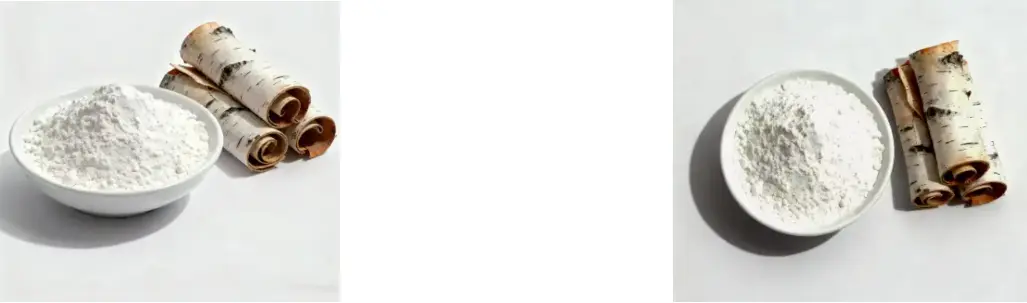
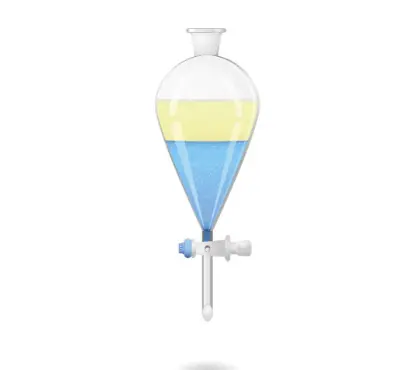
The efficacy of it is rooted in its dense concentration of pentacyclic triterpenes, primarily betulin (accounting for 70-80% of the triterpene fraction), along with lupeol, betulinic acid, oleanolic acid, and erythrodiol . These compounds are extracted from the outer bark using sophisticated methods such as pressurized liquid extraction or superheated steam activation, which optimize both yield and purity while minimizing solvent consumption . The result is a standardized dry extract, typically formulated as a 10% oleogel in sunflower oil . Unlike many botanical extracts, its composition is rigorously controlled, ensuring batch-to-batch consistency essential for pharmaceutical and high-end cosmeceutical applications.
The mechanism by which birch bark extract promotes wound healing is multi-faceted and has been elucidated through extensive in vitro and ex vivo studies. It does not simply provide a protective barrier; it actively modulates the wound healing cascade. The triterpenes, particularly betulin, have been shown to promote keratinocyte differentiation and migration—critical processes for re-epithelialization and wound closure . They also modulate the inflammatory response by upregulating pro-inflammatory cytokines like IL-6 and IL-8 in a controlled manner, which is essential for initiating healing . Furthermore, they promote the expression of differentiation markers such as keratin 10 and involucrin, as well as the adhesion protein transglutaminase, all contributing to new skin barrier formation . This complex, multi-target activity is what sets it apart from simpler, single-compound actives.
This robust science supports targeted applications far beyond its approved orphan drug indication. In the pharmaceutical and advanced wound care sectors, birch bark extract is the active ingredient in formulations for treating difficult-to-heal wounds, including those associated with EB . Clinical data from the pivotal phase III EASE trial demonstrated that it significantly increased the proportion of patients with first complete wound closure within 45 days compared to a control gel, with benefits maintained over a 24-month extension period . Beyond this, its demonstrated antimicrobial activity against Gram-positive bacteria, including Cutibacterium acnes, Staphylococcus epidermidis, and even methicillin-resistant Staphylococcus aureus (MRSA), opens doors for dermatological and cosmeceutical applications . It could be a valuable active in products targeting acne, preventing infection in minor wounds, or supporting skin health in immunocompromised patients. Its antioxidant properties, demonstrated through DPPH assays and reduction of oxidative stress markers, also support its use in anti-aging and skin-protective formulations .
For procurement and quality assurance professionals, sourcing a premium Birch Bark Extract demands a rigorous, specification-driven approach. First, standardization is non-negotiable. The Certificate of Analysis (CoA) must confirm the content of key triterpenes, particularly betulin, via validated HPLC methods . The extract should meet pharmacopeial standards for identity, purity, and potency. Second, verify the botanical source and extraction method. The material should be derived from Betula pendula and/or B. pubescens, and the extraction process (e.g., using biocompatible solvents like water or ethanol) should be clearly documented to ensure the absence of toxic residues . Third, insist on comprehensive safety data. As a topical product, it must be sterile or have extremely low microbial counts, and it must be tested for heavy metals and other contaminants . Finally, for any application making specific health claims, demand access to the supplier's clinical dossier. The most credible suppliers will have data from human trials or validated in vitro studies supporting their specific extract's efficacy .
The market trend for it is defined by its successful translation from traditional remedy to modern drug. This validation has spurred interest in its broader applications. The global market is moving toward standardized, clinically proven botanical actives, and birch bark extract is a prime example. Future growth will likely be driven by its incorporation into advanced wound care dressings, regenerative skincare products, and even nutraceuticals targeting inflammation and cellular health . Its potential in veterinary dermatology is also an emerging frontier. As research continues, we can expect to see more patented formulations with enhanced bioavailability and targeted delivery systems.

In summary, sourcing Birch Bark Extract is an investment in a scientifically validated, multi-functional botanical. Its potential to accelerate wound healing, combat infection, and protect against oxidative stress is backed by decades of research and regulatory approval. Success hinges on partnering with a supplier who provides transparent analytical data, consistent quality, and a deep understanding of its complex pharmacology. For brands aiming to lead in the dermatological and advanced wound care markets, this remarkable extract from a humble tree is not just an ingredient—it is a clinically proven foundation for truly effective products.
IF You Are Interested In The Products We Operate And Other Related Categories, Please Write To Us And Contact Us. At The Same Time, You Can Also Browse Our Website To Find The Products You Want. We Provide Customized Services And Look Forward To Establishing Cooperation With You.
Email:sales@greenherbbt.com