- English
- French
- German
- Portuguese
- Spanish
- Russian
- Japanese
- Korean
- Arabic
- Greek
- German
- Turkish
- Italian
- Danish
- Romanian
- Indonesian
- Czech
- Afrikaans
- Swedish
- Polish
- Basque
- Catalan
- Esperanto
- Hindi
- Lao
- Albanian
- Amharic
- Armenian
- Azerbaijani
- Belarusian
- Bengali
- Bosnian
- Bulgarian
- Cebuano
- Chichewa
- Corsican
- Croatian
- Dutch
- Estonian
- Filipino
- Finnish
- Frisian
- Galician
- Georgian
- Gujarati
- Haitian
- Hausa
- Hawaiian
- Hebrew
- Hmong
- Hungarian
- Icelandic
- Igbo
- Javanese
- Kannada
- Kazakh
- Khmer
- Kurdish
- Kyrgyz
- Latin
- Latvian
- Lithuanian
- Luxembou..
- Macedonian
- Malagasy
- Malay
- Malayalam
- Maltese
- Maori
- Marathi
- Mongolian
- Burmese
- Nepali
- Norwegian
- Pashto
- Persian
- Punjabi
- Serbian
- Sesotho
- Sinhala
- Slovak
- Slovenian
- Somali
- Samoan
- Scots Gaelic
- Shona
- Sindhi
- Sundanese
- Swahili
- Tajik
- Tamil
- Telugu
- Thai
- Ukrainian
- Urdu
- Uzbek
- Vietnamese
- Welsh
- Xhosa
- Yiddish
- Yoruba
- Zulu
Why Is Almond Protein Powder Becoming a Formulator's Go-To for Clean Labels?
Let's talk about plant proteins for a minute. If you're developing a product, you've likely run through the usual options: pea, rice, soy. Each has its strengths and its trade-offs, especially when it comes to flavor, texture, or allergen concerns. But there's one that's been steadily moving from a niche ingredient to a mainstream solution, not for being the highest in protein, but for being one of the most versatile and label-friendly. That's Almond Protein Powder. What started as a clever use for the cake left over after pressing almond oil has evolved into a sought-after ingredient in its own right. The driving force isn't just the protein content; it's the growing, non-negotiable demand from brands for ingredients that are simple, recognizable, and can deliver a neutral, non-beany taste in finished products. It’s the plant protein you choose when you don't want the protein to be the overwhelming story.
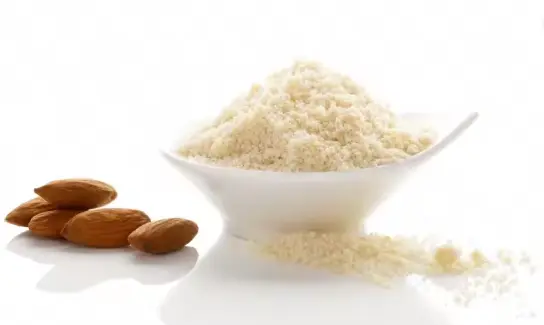
The journey of this powder is a lesson in upcycling. High-quality almond protein powder typically starts not from whole nuts, but from the defatted almond cake or meal. After the oil is gently pressed out for culinary use, the remaining solids are dried and milled. Some processors take it a step further, using screening or mild processing to increase the protein concentration, creating an almond protein isolate. This origin story is a key part of its appeal—it's a sustainable narrative that makes sense to consumers. However, this also means the quality is intrinsically tied to the almonds themselves and the oil-pressing method. Cold-pressed cake from specific, sweet almond varieties (like Nonpareil) will yield a finer, lighter-colored, and milder-tasting powder compared to material from other sources. The first sign of a good supplier is their transparency about their raw almond source and their commitment to controlling the temperature from the very first press.
So, where does this mild-mannered ingredient truly shine? Its application is all about compatibility. You won't see it in bodybuilding shakes aiming for 30 grams of protein per serving. Instead, it excels in categories where a subtle touch is needed. In plant-based dairy alternatives—like almond milk yogurt, creamers, or soft cheeses—it's a natural fit, enhancing the protein content without altering the expected, clean almond flavor profile. It's a star in nutritional bars and baked goods, where its fine texture and fat content contribute to moistness and a pleasant mouthfeel, unlike some grittier plant proteins. Perhaps most innovatively, it's being used in blended protein powders and functional beverages designed for a general wellness audience, often paired with vanilla or cocoa, where its neutrality prevents the off-notes that can turn consumers away.

From a procurement desk, your checklist needs to reflect its dual nature as a food and a protein source. First, specifications beyond protein: Ask for the fat and fiber content. A slightly higher fat content (around 10-15%) is normal and beneficial for functionality, but it must be consistent. Second, granulation and solubility: Particle size distribution matters immensely for mouthfeel. Request a specification sheet and test solubility in your application base. Third, allergen and safety documentation: While almond is a tree nut allergen (a critical labeling point), you need guarantees of facility segregation to prevent cross-contact with peanuts or other allergens. Certificates for non-GMO status and the absence of Salmonella and E. coli are standard must-haves. Finally, color and flavor consistency: Request samples from multiple batches. A beige, uniform color and a bland, slightly sweet taste are ideal; a grayish hue or a bitter, burnt note indicates poor processing.
The trend it's riding is powerful: clean-label, everyday nutrition. Consumers are looking for protein sources they understand from their own pantry. Almond Protein Powder fits that "kitchen-cupboard" clean-label claim perfectly. The future innovation lies in further refinement—creating even more soluble, flavorless isolates for clear beverages—and in strategic blending. Combining almond protein with pea or pumpkin seed protein can create a more complete amino acid profile while maintaining that desirable, neutral flavor, making it a foundational component in the next generation of holistic plant-protein blends.

In the end, formulating with Almond Protein Powder is a strategic choice for elegance and compatibility over sheer brute force. It solves specific problems of taste and texture that other plant proteins can create. The most successful implementations come from viewing it not just as a protein, but as a functional food ingredient that brings protein to the party. This requires a supplier who understands your application challenges and can provide a consistent, food-grade powder that performs as reliably in your processing plant as it does on your ingredient statement. For brands building products around holistic wellness and clean, simple labels, it has become an indispensable tool in the plant-based toolbox.
IF You Are Interested In The Products We Operate And Other Related Categories, Please Write To Us And Contact Us. At The Same Time, You Can Also Browse Our Website To Find The Products You Want. We Provide Customized Services And Look Forward To Establishing Cooperation With You.
Email:sales@greenherbbt.com