- English
- French
- German
- Portuguese
- Spanish
- Russian
- Japanese
- Korean
- Arabic
- Greek
- German
- Turkish
- Italian
- Danish
- Romanian
- Indonesian
- Czech
- Afrikaans
- Swedish
- Polish
- Basque
- Catalan
- Esperanto
- Hindi
- Lao
- Albanian
- Amharic
- Armenian
- Azerbaijani
- Belarusian
- Bengali
- Bosnian
- Bulgarian
- Cebuano
- Chichewa
- Corsican
- Croatian
- Dutch
- Estonian
- Filipino
- Finnish
- Frisian
- Galician
- Georgian
- Gujarati
- Haitian
- Hausa
- Hawaiian
- Hebrew
- Hmong
- Hungarian
- Icelandic
- Igbo
- Javanese
- Kannada
- Kazakh
- Khmer
- Kurdish
- Kyrgyz
- Latin
- Latvian
- Lithuanian
- Luxembou..
- Macedonian
- Malagasy
- Malay
- Malayalam
- Maltese
- Maori
- Marathi
- Mongolian
- Burmese
- Nepali
- Norwegian
- Pashto
- Persian
- Punjabi
- Serbian
- Sesotho
- Sinhala
- Slovak
- Slovenian
- Somali
- Samoan
- Scots Gaelic
- Shona
- Sindhi
- Sundanese
- Swahili
- Tajik
- Tamil
- Telugu
- Thai
- Ukrainian
- Urdu
- Uzbek
- Vietnamese
- Welsh
- Xhosa
- Yiddish
- Yoruba
- Zulu
How Can You Ensure Your Centella Extract Delivers More Than Just a Trendy Name?
You know how some ingredients hit a point where everyone's spec sheet has them, but nobody's quite sure if they're all the same? That's where Centella Asiatica Extract Powder is right now. It's moved past being a trendy "it" ingredient from K-beauty and settled into a staple position. But that's where the real work begins for a formulator. The question is no longer "should we use it?" but "what exactly are we getting, and will it do what we need?" Because for every product developer seeing great results in calming irritated skin or supporting barrier function, there's another who tried a generic powder and saw zero effect. The difference almost always comes down to the specifics hidden behind the name.
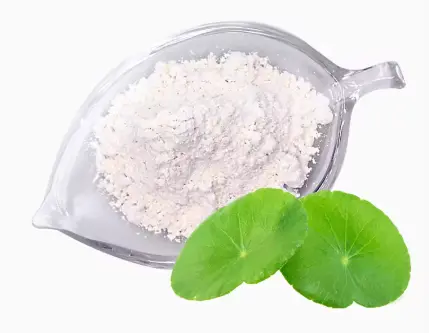
Here's the thing about centella asiatica extract—it's not a single, uniform compound. The plant's activity comes from a group of triterpenoids, mainly madecassoside, asiaticoside, and their respective acids. A high-quality standardized centella powder guarantees the percentage of these actives, often 40% or more total triterpenoids. A supplier who can't provide an HPLC report breaking this down is essentially selling you green tea powder without telling you the caffeine content. The source matters, too. The chemotype (the chemical profile of the plant) can vary with geography and cultivation methods. Some of the most reliable extracts come from controlled, often organic, farms that select for potent cultivars, not just wild-harvested biomass.
So where does it genuinely earn its keep? Its superstar application is, without a doubt, in skincare for sensitivity and repair. We're talking about formulations for post-procedure calming, redness reduction, and strengthening a compromised skin barrier. But we're also seeing smart use in products for "stress skin" – formulations aimed at urban lifestyles that weaken the skin's defenses. The innovation is in combining it correctly. It plays incredibly well with niacinamide, ceramides, and panthenol. However, its natural, somewhat earthy color and potential bitterness mean that for cosmetic elegance or ingestible applications (like "beauty-from-within" supplements), you might need a color-stable or taste-masked version. You can't just throw it into any base and hope for the best.
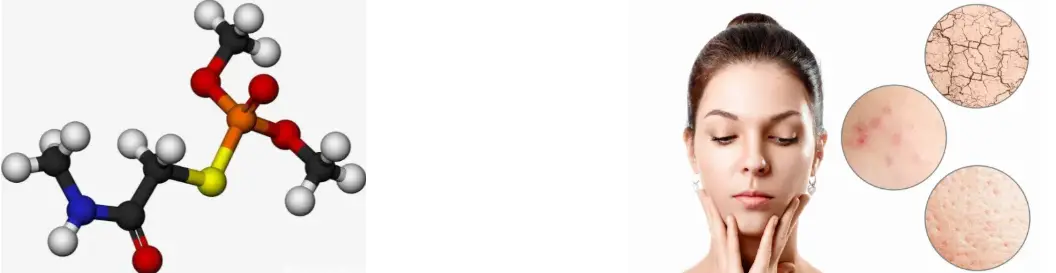
If you're on the sourcing side, your checklist needs to get technical. Move beyond the basic spec sheet and ask for:
- A detailed certificate of analysis with HPLC quantification of madecassoside, asiaticoside, asiatic acid, and madecassic acid.
- Clarity on the extraction solvent (water, ethanol, or a mix) and the plant part used.
- Heavy metal and pesticide residue testing, especially important for an herb that grows close to the ground.
- Data on solubility and stability in your intended base formula (e.g., pH range, compatibility with other actives).
Looking at the trends, the market is clearly pushing towards clinically tested, branded centella extracts. Suppliers are investing in proprietary cultivation and extraction methods to produce extracts with guaranteed ratios of actives, backed by specific studies for efficacy. This moves the ingredient from a generic "good for skin" claim to a defendable, science-backed product feature. The future is in these high-efficacy, precisely characterized powders that allow brands to make stronger, more specific promises to their customers.

In the end, working with Centella Asiatica Extract Powder successfully is about partnership. It's about finding a supplier who understands that they're providing a key active, not a commodity. The best ones act as resources—they can tell you which of their extracts is best for a repairing cream versus a lightweight serum, and they provide the data to back it up. For a brand, choosing the right extract means the difference between having "centella" on your label and having a formula that visibly, reliably performs. That's the gap between following a trend and building a reputable product.
IF You Are Interested In The Products We Operate And Other Related Categories, Please Write To Us And Contact Us. At The Same Time, You Can Also Browse Our Website To Find The Products You Want. We Provide Customized Services And Look Forward To Establishing Cooperation With You.
Email:sales@greenherbbt.com