



Latest Products
Reliable Mung Protein Powder Manufacturer & Bulk Supplier
Greenherb operates a certified processing facility specializing in Mung Protein Powder, a plant-derived protein ingredient obtained from the seeds of Vigna radiata through a controlled wet extraction and spray drying process. Our production system is designed to deliver consistent protein content, verified amino acid composition, and clean processing credentials across every production batch, providing plant-based food manufacturers, sports nutrition formulators, and supplement producers with a technically characterized legume protein source suited to commercial-scale formulation requirements.
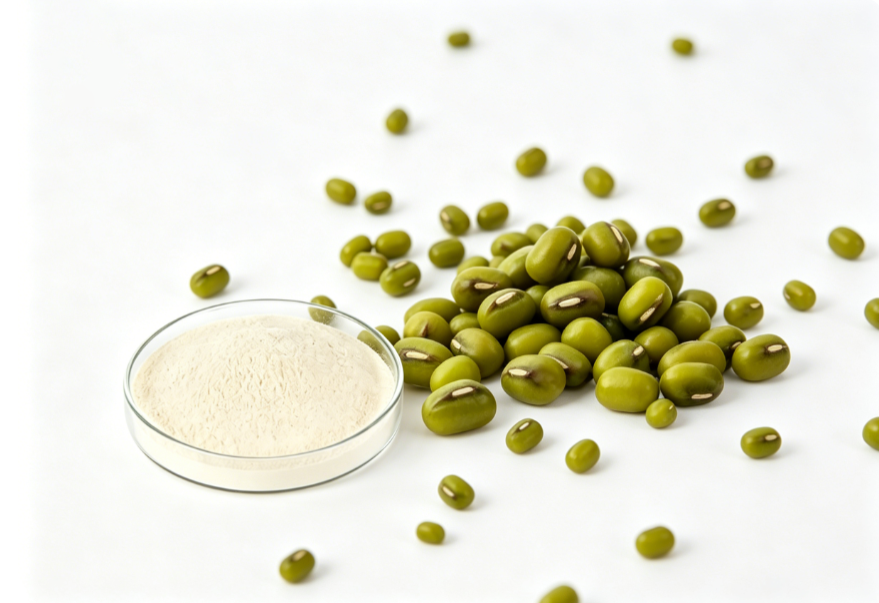
Why Choose Greenherb Mung Protein Powder
- Lysine-Rich Amino Acid Profile – Mung bean protein naturally delivers a relatively high lysine content compared to cereal grain protein sources, providing formulators with a legume-derived protein ingredient that complements the amino acid profile of grain-based proteins in multi-protein blending systems.
- Wet Extraction Processing – Our production employs a controlled aqueous wet extraction approach that selectively separates the protein fraction from starch, fiber, and lipid components of the mung bean seed, achieving concentrated protein content without chemical reagents and supporting clean-label processing declaration.
- Broad Digestibility Profile – Mung bean protein demonstrates favorable digestibility characteristics compared to many other legume protein sources, with a relatively low anti-nutritional factor content following processing, contributing to formulations positioned around digestive comfort and protein bioavailability.
- Standardized Protein Content – Each production batch is verified by Kjeldahl or combustion nitrogen analysis against a defined protein specification, ensuring consistent macronutrient loading for repeatable finished product label claim compliance.
- Mild Flavor Characteristics – The characteristic flavor profile of mung bean protein is milder and less pronounced than many other legume protein sources such as soy or fava bean, reducing masking flavor requirements and supporting cleaner sensory performance in flavored finished products.
- Non-GMO Source Material – Vigna radiata is cultivated without widespread genetic modification, and our supply chain documentation supports Non-GMO affidavit declaration for finished products targeting clean-label and non-GMO consumer positioning.
- Heavy Metal & Pesticide Compliance – Every production lot undergoes ICP-MS heavy metal screening and GC/LC-MS pesticide residue analysis verified against EU and US regulatory thresholds before release for commercial supply.
- Flexible Protein Concentration Tiers – We offer multiple protein standardization levels to accommodate moderate protein fortification applications through high-concentration ingredient supply for premium plant protein supplement formulations.
Certificate of Analysis
Product Introduction
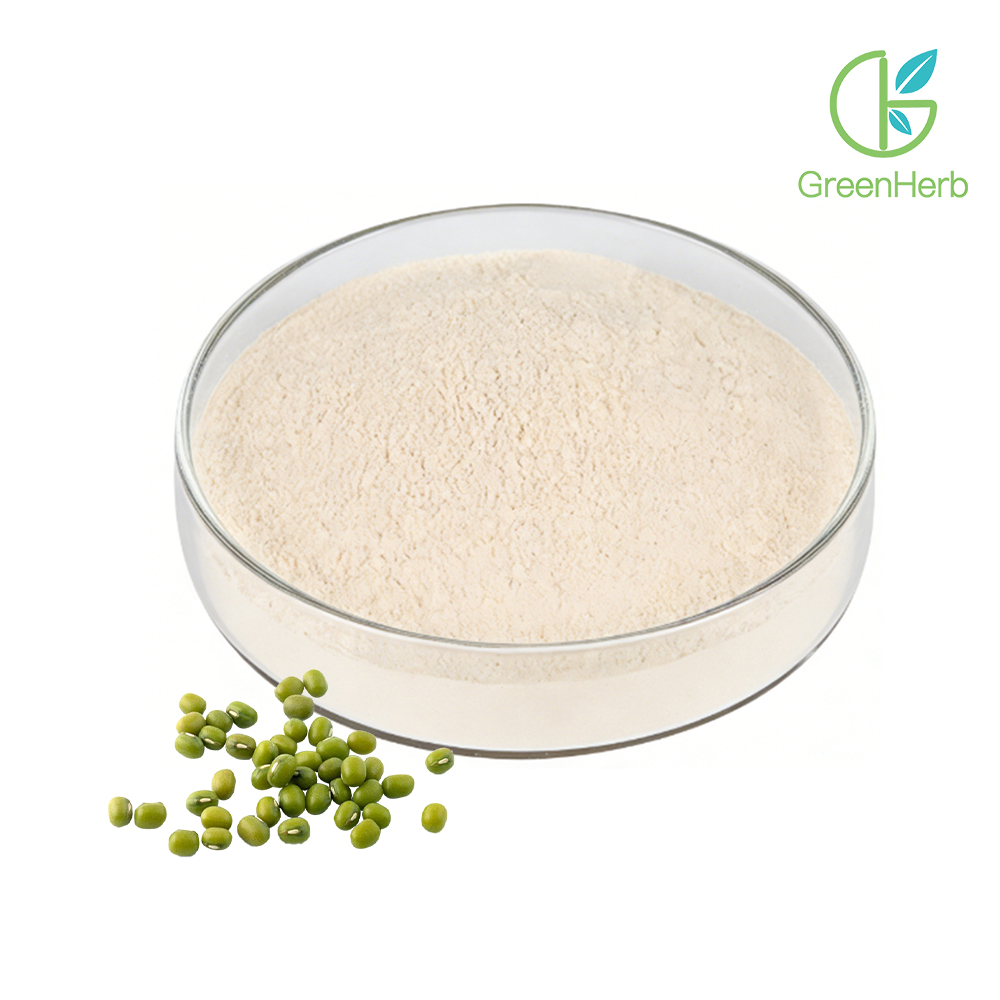
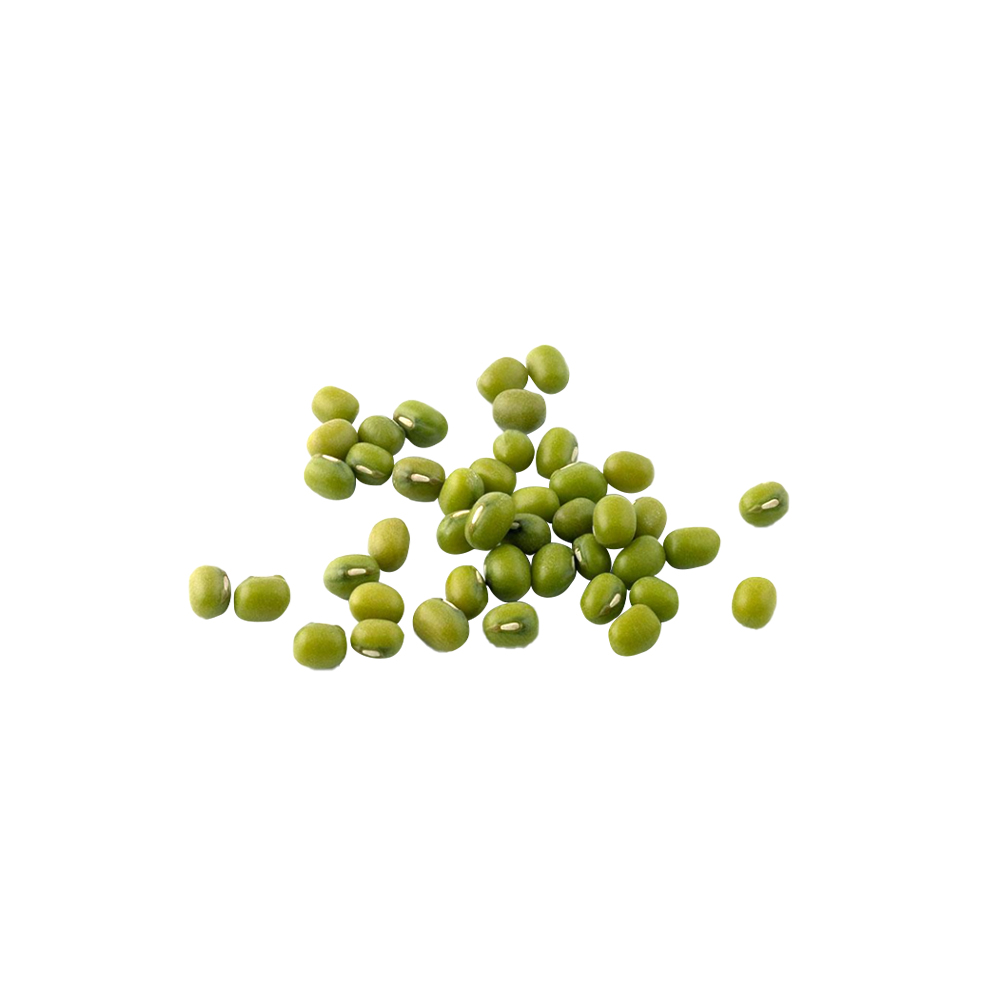
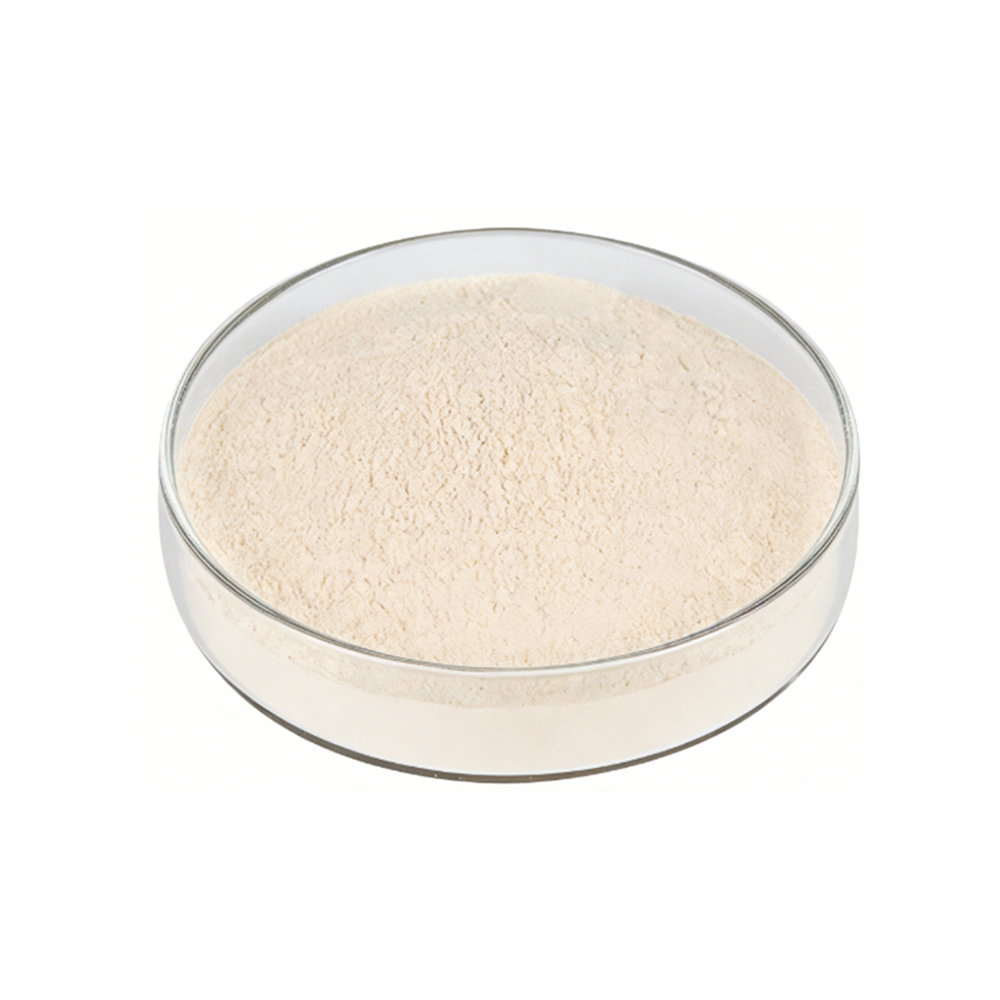
Mung Protein Powder is a plant-derived protein ingredient produced from the seeds of Vigna radiata through aqueous wet extraction and spray drying. The mung bean has a long history of use as a dietary protein source across Asian food traditions, and mung bean protein concentrate produced through modern wet fractionation technology delivers the naturally occurring amino acid composition of the seed in a concentrated, handling-friendly powder format with defined protein specification. Unlike rice protein produced through enzymatic starch hydrolysis, mung protein is isolated through aqueous separation and isoelectric precipitation of the protein fraction, resulting in a distinct processing pathway that retains the characteristic legume amino acid profile including relatively elevated lysine and arginine content. The resulting light yellow to pale green powder provides formulators with a technically precise legume protein ingredient suited to plant-based food systems, sports nutrition blending, and supplement formulation where mung bean botanical origin and documented amino acid composition are primary sourcing considerations.
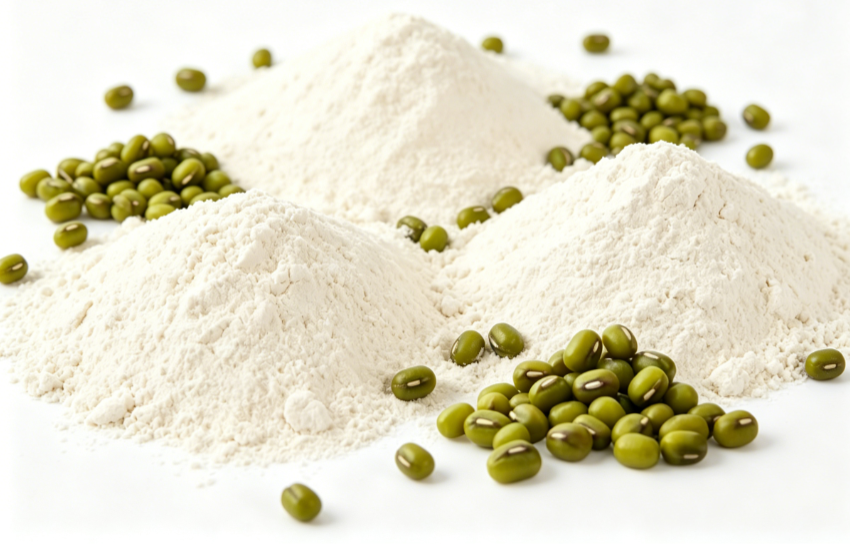
Production Process
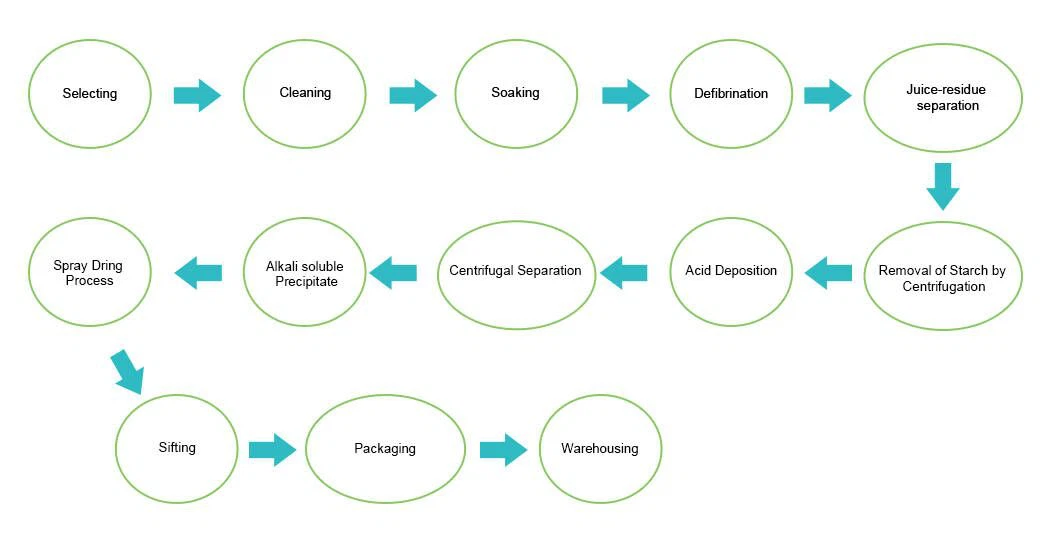
Greenherb employs a validated wet extraction and spray drying sequence designed to achieve consistent protein concentration and ingredient safety from raw seed to finished powder:
- Seed Sourcing & Qualification – Incoming Vigna radiata seeds are authenticated by botanical identity verification, screened for moisture, heavy metals, pesticide residues, and microbiological status before processing authorization.
- Cleaning & Dehulling – Qualified seeds undergo mechanical cleaning to remove foreign matter followed by dehulling to separate the seed coat from the cotyledon fraction, reducing fiber and tannin content in the protein fraction.
- Milling & Slurry Preparation – Dehulled seed material is wet-milled to a defined particle size and dispersed in process water at controlled pH to optimize protein solubilization from the seed matrix.
- Aqueous Protein Extraction – The seed slurry undergoes controlled aqueous extraction under defined pH and temperature conditions to selectively solubilize the protein fraction while leaving starch and fiber largely insoluble.
- Centrifugal Starch Separation – Extracted slurry is centrifuged to separate the protein-rich soluble fraction from the insoluble starch and fiber residue, yielding a clarified protein extract stream.
- Isoelectric Precipitation – The protein extract is adjusted to the isoelectric point of mung bean protein through controlled pH reduction, causing protein precipitation and enabling separation from the supernatant liquid fraction.
- Washing & Neutralization – Precipitated protein curd undergoes washing to remove residual sugars, salts, and processing water, followed by pH neutralization to achieve target solubility and flavor characteristics.
- Spray Drying – The protein slurry is atomized and dried at controlled inlet and outlet temperatures to produce a fine, free-flowing powder with target moisture and particle size specification.
- Quality Release Testing – Finished powder undergoes protein content analysis, amino acid profiling, moisture measurement, heavy metal screening, and full microbiological panel verification before batch release authorization.
- Protective Packaging – Powder is sealed in double-layer PE inner bags with desiccants, packed within moisture-barrier fiber drums to maintain protein integrity and flow characteristics during storage and transit.
Functional Properties & Benefits
As a legume-derived plant protein ingredient, Mung Protein Powder offers a range of functional characteristics relevant to plant-based food, sports nutrition, and wellness supplement formulation:
- Complete Amino Acid Contribution – The lysine and arginine-enriched amino acid profile of mung bean protein contributes essential amino acid fractions that complement grain-based protein sources in blended plant protein systems, supporting a more complete amino acid delivery per serving in multi-protein formulations.
- Muscle Support & Physical Recovery – Incorporated into sports nutrition and active lifestyle formulations, mung protein powder contributes to products designed to support muscle protein synthesis, physical recovery between training sessions, and maintenance of lean body composition during regular exercise programs.
- Digestive Comfort Support – The favorable digestibility profile and relatively low anti-nutritional factor content of processed mung bean protein contributes to formulations designed to support a comfortable digestive experience, making it well-suited for sensitive digestion-positioned plant protein product concepts.
- Plant-Based Satiety Support – Used in meal replacement and weight management formulations, mung protein contributes to products designed to support appetite comfort, promote a sustained feeling of fullness, and contribute to balanced plant-based macronutrient intake as part of a structured nutritional program.
- Daily Protein Intake Support – Incorporated into daily wellness and nutritional fortification formulations, mung protein powder contributes a plant-derived essential amino acid supply designed to support overall daily protein intake goals for individuals following plant-based dietary patterns.
- Functional Food Processing Compatibility – The powder’s mild flavor, light color, and fine particle characteristics support incorporation into a wide range of food processing systems including baking, extrusion, and beverage manufacturing without significant negative impact on finished product sensory attributes.
Applications
Mung Protein Powder is suited for integration across a broad range of commercial product categories within the plant protein, sports nutrition, and functional food sectors:
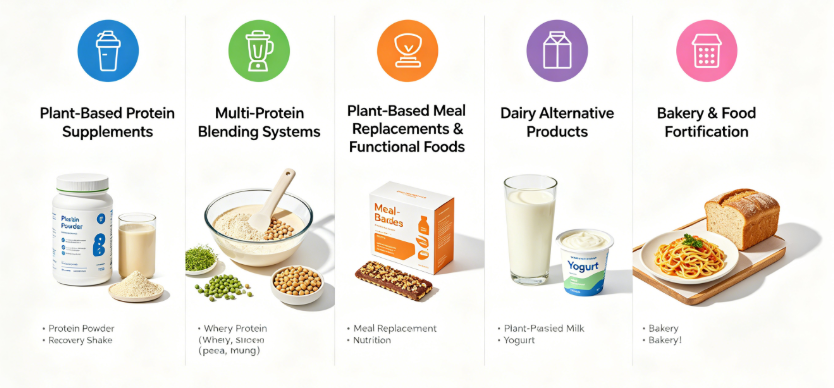
Plant-Based Protein Supplements
Mung protein in ready-to-mix protein powder blends, recovery shakes, and capsule supplement formats where legume-derived protein sourcing, documented amino acid composition, and comprehensive regulatory documentation support plant-based protein product positioning and label claims.
Multi-Protein Blending Systems
Complementary legume protein ingredient in blended plant protein formulations combining mung bean with grain, seed, and other legume protein sources to achieve a more complete essential amino acid profile for premium plant-based protein supplement positioning.
Plant-Based Meal Replacements & Functional Foods
Core protein contributor in vegan meal replacement systems, plant-based nutrition bars, and fortified functional food formats where mung bean botanical origin, mild flavor profile, and clean processing declaration support broad consumer accessibility.
Dairy Alternative Products
Plant protein ingredient in dairy-free beverage systems, yogurt alternatives, and cheese analog formulations where mung protein’s solubility characteristics and mild flavor contribute to acceptable sensory performance in liquid and semi-solid plant-based dairy replacement products.
Bakery & Food Fortification
Incorporated into high-protein bakery premixes, pasta fortification systems, and snack food formulations where mung protein powder contributes protein content elevation with minimal negative impact on product texture, color, or flavor in finished culinary applications.
Contact Greenherb for Mung Protein Powder Supply
Greenherb supplies Mung Protein Powder with verified protein content and amino acid profiles, backed by comprehensive third-party testing. We offer flexible order quantities ranging from laboratory samples to full container loads. Customized protein concentration tiers, particle size specifications, and amino acid documentation packages are available upon request to match your exact formulation and regulatory requirements. For immediate assistance, contact our sourcing team directly.
Greenherb – Your Strategic Partner for Botanical Ingredients and Functional Foods.