

Blog
What Should You Actually Look for When Sourcing Elderberry Extract?

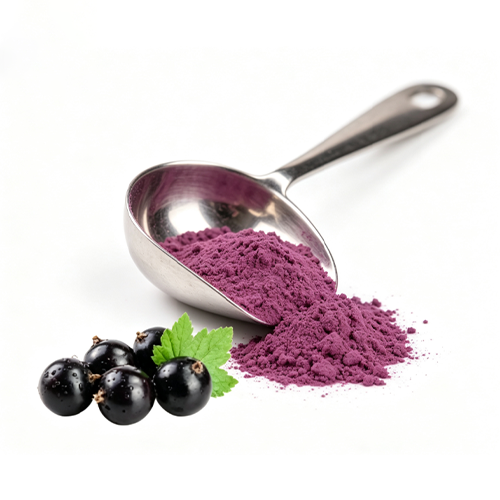
The elderberry supplement market has been growing fast enough that a lot of suppliers entered it without the infrastructure to back up their claims. Adulteration, inconsistent anthocyanin levels, mislabeled organic certifications — these are real problems in this category, not hypothetical ones. If you are sourcing elderberry extract at any meaningful volume, knowing what to actually verify matters more than finding the lowest price per kilogram.
Anthocyanins are the spec that matters — but the number alone is not enough
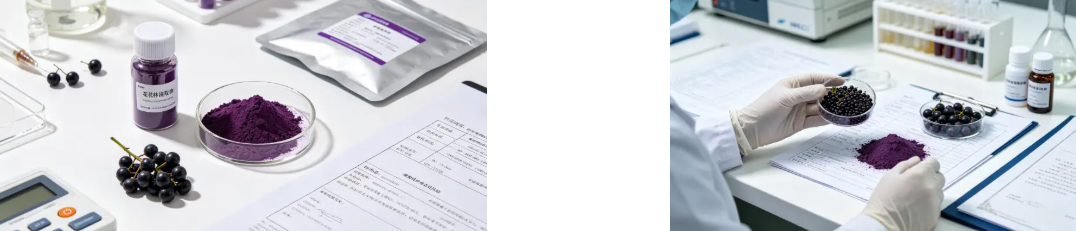
Elderberry extract is standardized primarily on anthocyanin content. Anthocyanins are the pigment compounds that give elderberries their deep purple-black color and represent the most commercially significant bioactive fraction of the fruit. A typical standardized elderberry extract powder runs 1% to 25% anthocyanins depending on concentration and intended application.
The number on the COA is only part of the story. Anthocyanin content in raw elderberries varies significantly based on the Sambucus nigra cultivar, growing region, harvest timing, and post-harvest handling. Berries harvested at full ripeness from cultivars bred for high anthocyanin yield — like Haschberg, widely grown in Austria and Eastern Europe — produce extract with a meaningfully different profile than material from mixed wild-harvest sources. Two suppliers both quoting “13% anthocyanins” can be working with very different raw materials, and batch-to-batch consistency from the lower-quality source will be noticeably worse.
The practical ask: request anthocyanin content by batch going back at least three to five lots. Consistent numbers across batches tell you more about a supplier’s quality control than a single strong COA.
Elderberry powder versus elderberry juice powder — not the same product
This distinction causes more confusion than it should.
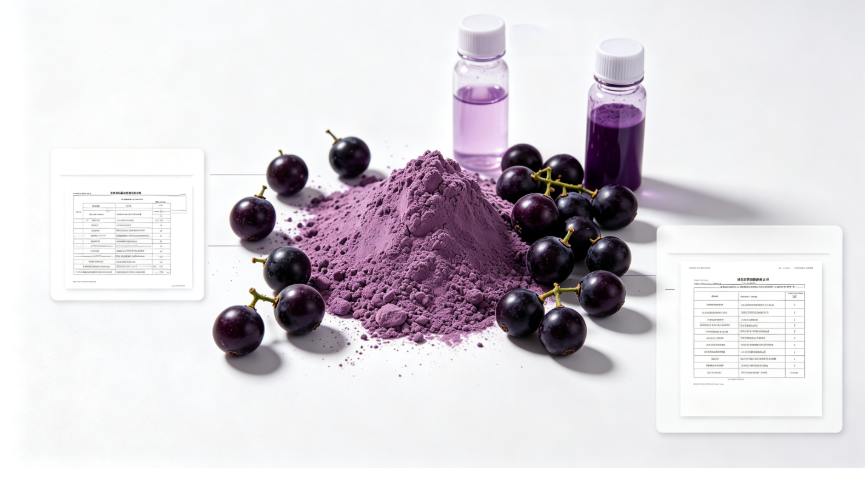
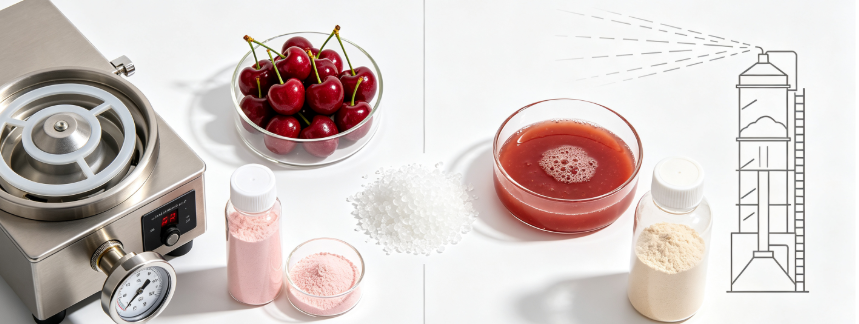
Elderberry extract powder is a concentrated, standardized material produced from elderberry fruit through extraction and purification. The finished product has a defined anthocyanin percentage and is used in supplement capsules, functional food formulations, and any application where a consistent active compound level is required.
Elderberry juice powder is spray-dried elderberry juice, typically with a maltodextrin or similar carrier added as a drying aid. It has a lower and more variable anthocyanin content than standardized extract, better water solubility, and a more authentic fruit flavor. It is the right format for gummies, functional beverages, flavored drink mixes, and food products where the elderberry flavor and color are part of the value.
Using juice powder where standardized extract is needed, or paying extract prices for juice powder, are both mistakes that happen regularly in procurement. The carrier content and anthocyanin percentage should be clearly differentiated on any COA, not lumped under a single “elderberry powder” description.
Where elderberry extract actually gets used
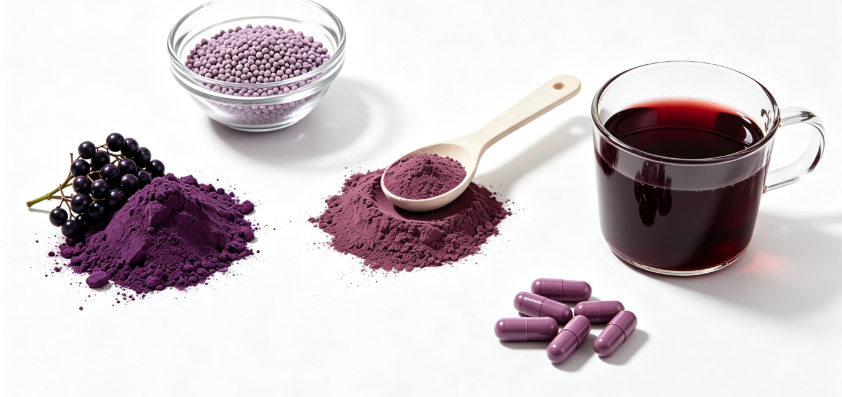
Dietary supplements dominate the volume — capsules and tablets for antioxidant support and general wellness positioning are the largest format by market share. Elderberry supplement products have strong consumer recognition, and the clean-label botanical story is genuinely appealing to brands building natural product lines.
Gummies are the fastest-growing delivery format right now, driven partly by appeal to both adults and children. Elderberry gummies typically use juice powder rather than standardized extract because the format benefits from authentic flavor and the gelling process is more forgiving with juice powder than with highly concentrated extract.
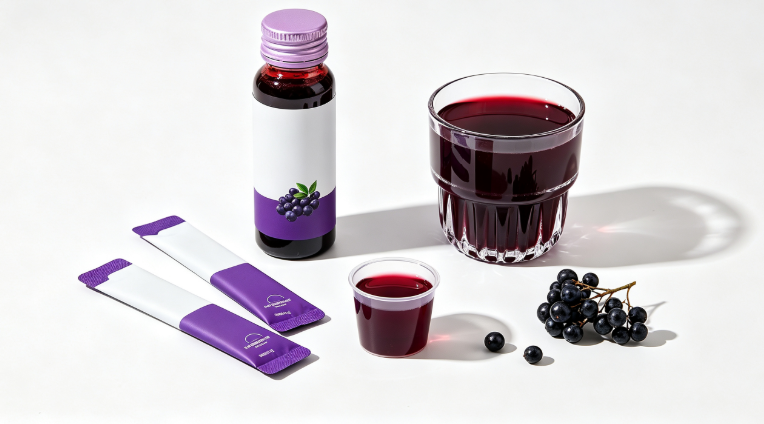
Functional beverages — shots, ready-to-drink formats, powder stick packs — are another active segment. The deep purple-black pigment from elderberry makes it visually striking in beverage applications, and it functions as both a natural colorant and a labeled active ingredient simultaneously.
Cosmetics and personal care is smaller but growing. The anthocyanin fraction shows antioxidant activity relevant to anti-aging skincare, and elderberry appears in facial serums, masks, and hair care products particularly in European markets where botanical ingredient storytelling is strong.
A newer and genuinely interesting application: elderberry extract as a natural food colorant in the clean-label reformulation space, where food manufacturers are replacing synthetic red and purple dyes with botanical alternatives. The color stability across different pH and processing conditions is the main technical variable being worked on in this segment.
Practical sourcing notes
Raw material origin matters for both quality and supply chain risk. Sambucus nigra cultivation is concentrated in Austria, Hungary, Poland, and other parts of Eastern Europe, with additional supply from North America and smaller volumes from Asia. Eastern European production has historically provided the most consistent quality for supplement-grade extract, but US tariff developments in 2025 have prompted buyers to reassess global sourcing strategies and diversify geographically.
Organic certification is the fastest-growing segment in the elderberry market, driven by clean-label preferences and pesticide residue concerns. If organic is a requirement for your product, verify the certification covers the full supply chain — farming, processing, and packaging. A finished powder with an organic claim that cannot be traced through documented chain-of-custody is not reliable for EU or USDA organic label compliance.
Heavy metal and pesticide residue testing by lot should be standard. Elderberry is a fruit crop where pesticide use varies significantly by growing region and cultivation method. Lot-specific documentation rather than annual blanket certificates is the appropriate standard for any food or supplement application.
FAQ
1、What anthocyanin percentage is standard for supplement-grade elderberry extract?
Commercial elderberry extract for dietary supplements is most commonly standardized between 13% and 25% anthocyanins, verified by HPLC by batch.
2、What is the difference between elderberry extract powder and elderberry juice powder?
Extract powder is standardized to a specific anthocyanin percentage through concentration and purification. Juice powder is spray-dried elderberry juice with a carrier, offering better solubility and flavor but lower and more variable anthocyanin content.
3、Can elderberry extract be used in cosmetic formulations?
Yes. The anthocyanin fraction is used in anti-aging serums, masks, and hair care products for its antioxidant properties, particularly in European botanical beauty markets.
We supply elderberry extract with complete COA documentation and clearly defined product specifications. Sample requests and quotes are available directly from our sales team.